
HUSBANDS PARIS
October 11, 2026
How to Be the Sexiest Man in Your Arrondissement
Does "dressing like a man" still mean anything?
The suit used to come with a formula nobody questioned. Clean shirt, tie, proper shoes, a jacket with the shoulders set right, trousers with a crease down the front. Wearing a good one wasn't about dressing well. It was how you told people who you were.
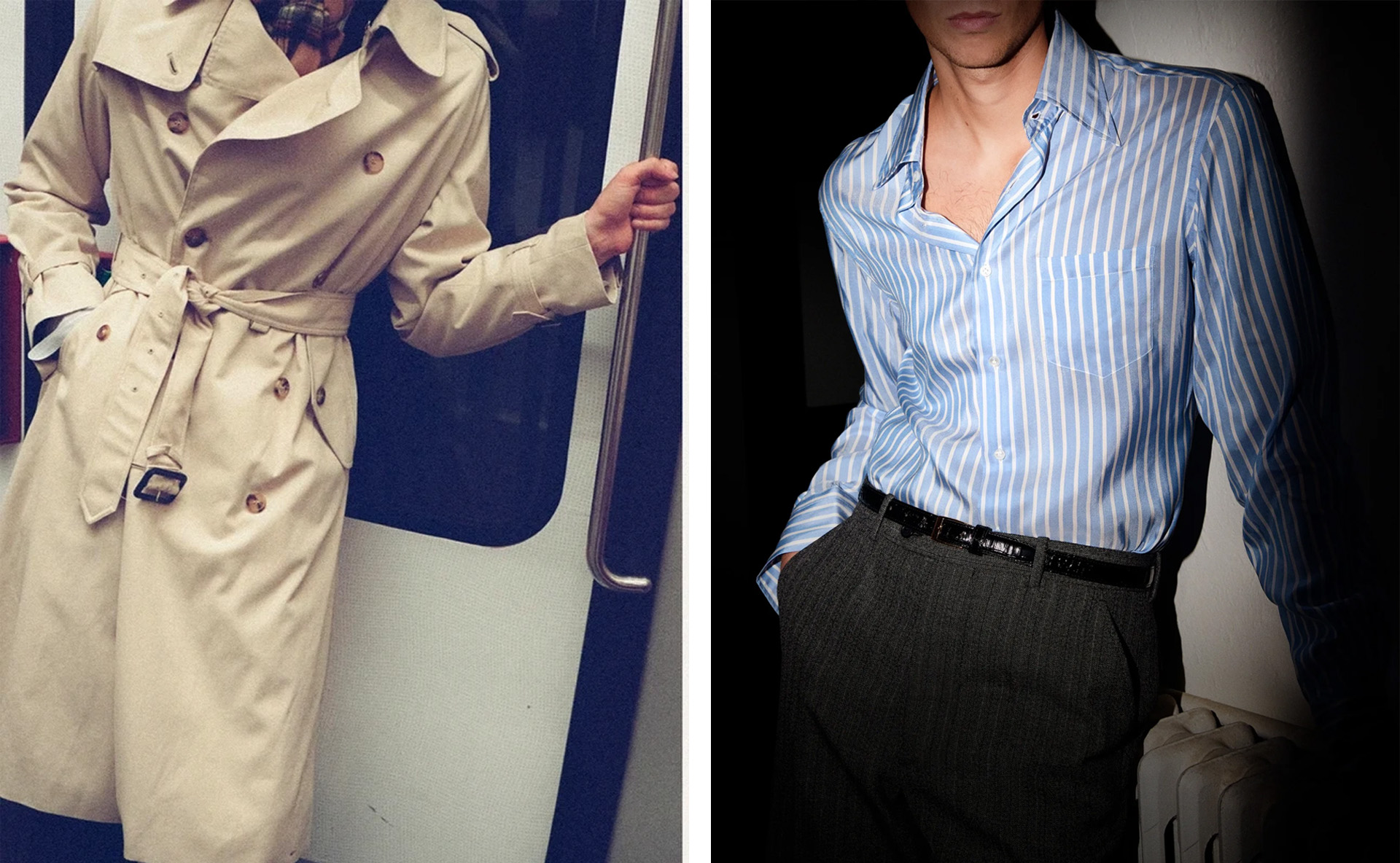 ©@HUSBANDSparis
That rulebook has loosened considerably. Denim instead of suit trousers, a t-shirt instead of a shirt, the tie optional, classic and street and workwear all sharing one closet without anyone filing a complaint.
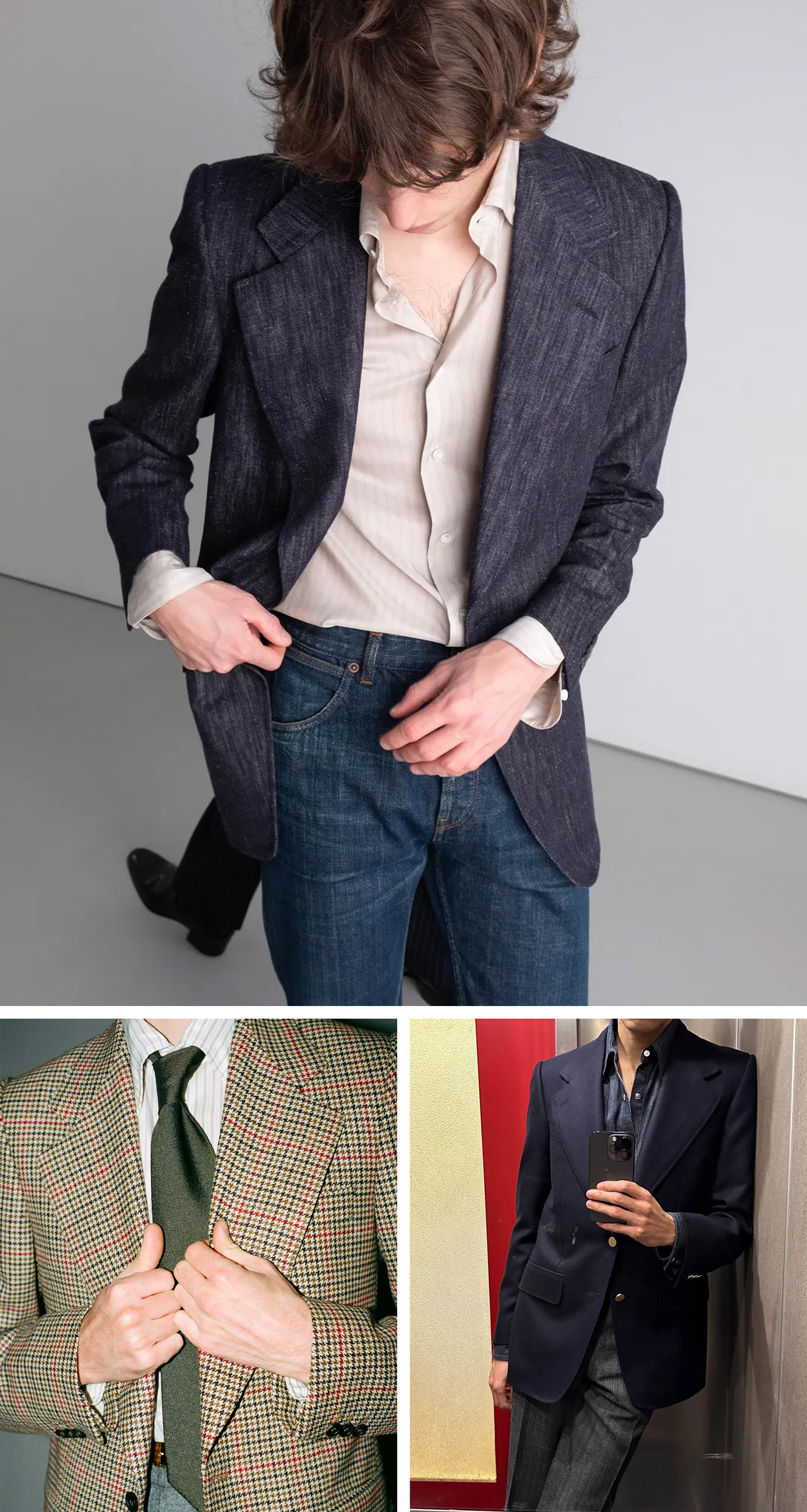 ©@HUSBANDSparis
So the question isn't whether you're following the formula correctly anymore. It's which suit is actually yours. How clothes announce you has changed. What a suit does hasn't.
Which is where HUSBANDS PARIS comes in, the Paris tailoring house whose pieces have been disappearing from jente about as fast as we can stock them.
You Only Want to Wear It If You Chose to Buy It
I found this brand through a reel, which feels wrong given what the reel was about.
Founder Nicolas Gabard was on a radio show, asked whether HUSBANDS seeds product to influencers, and answered: "No. We never have."
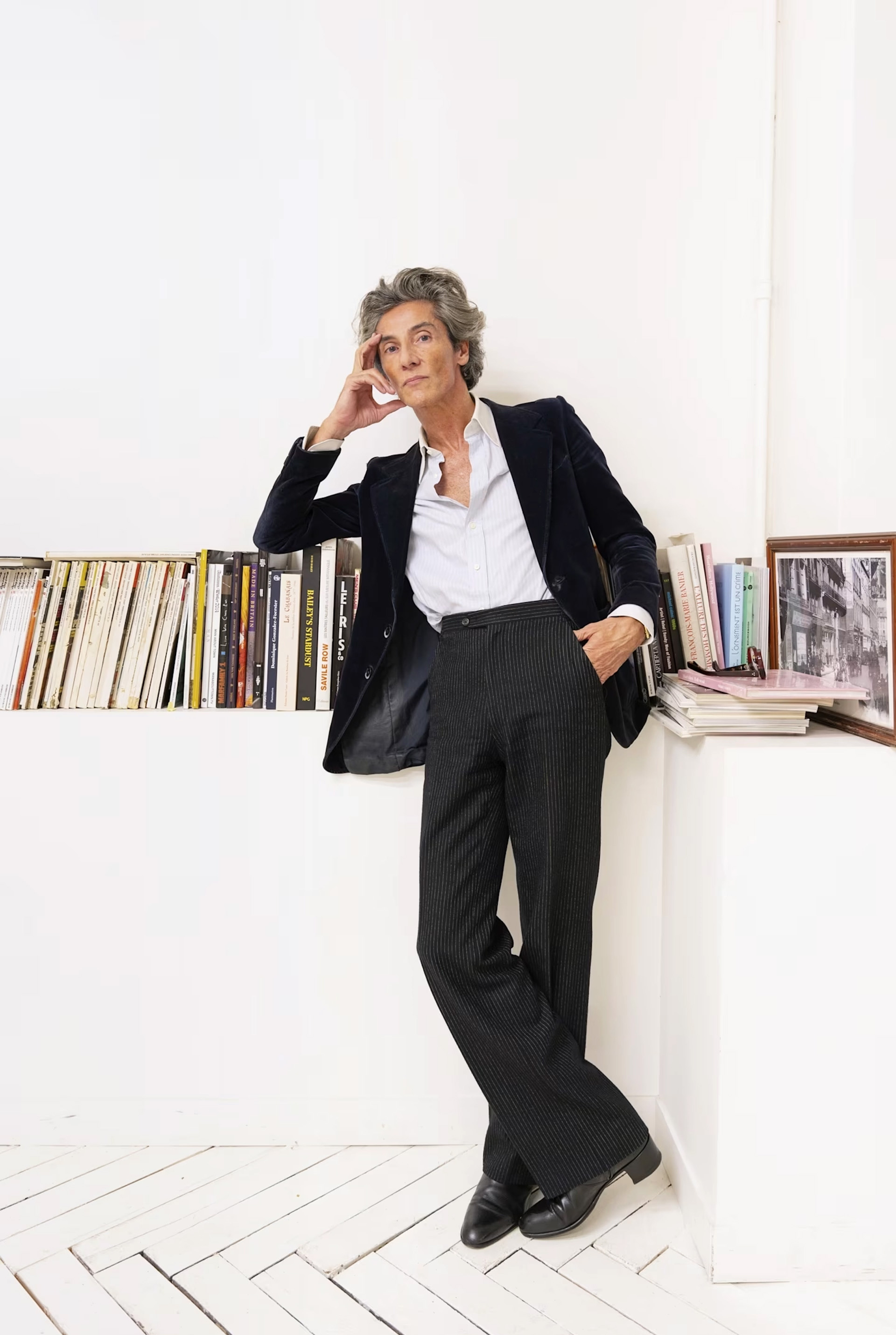 HUSBANDS founder Nicolas Gabard ©ft.com
His reasoning: the margins are thin, and actors and influencers are already drowning in free clothes from everyone else. What matters is that people spend money they earned on something they'll genuinely wear. You only want to wear a thing if you chose to buy it. And they do buy it, with their own money, which he's visibly proud of.
Then the name started bothering me. HUSBANDS. Because he wants husbands wearing it?
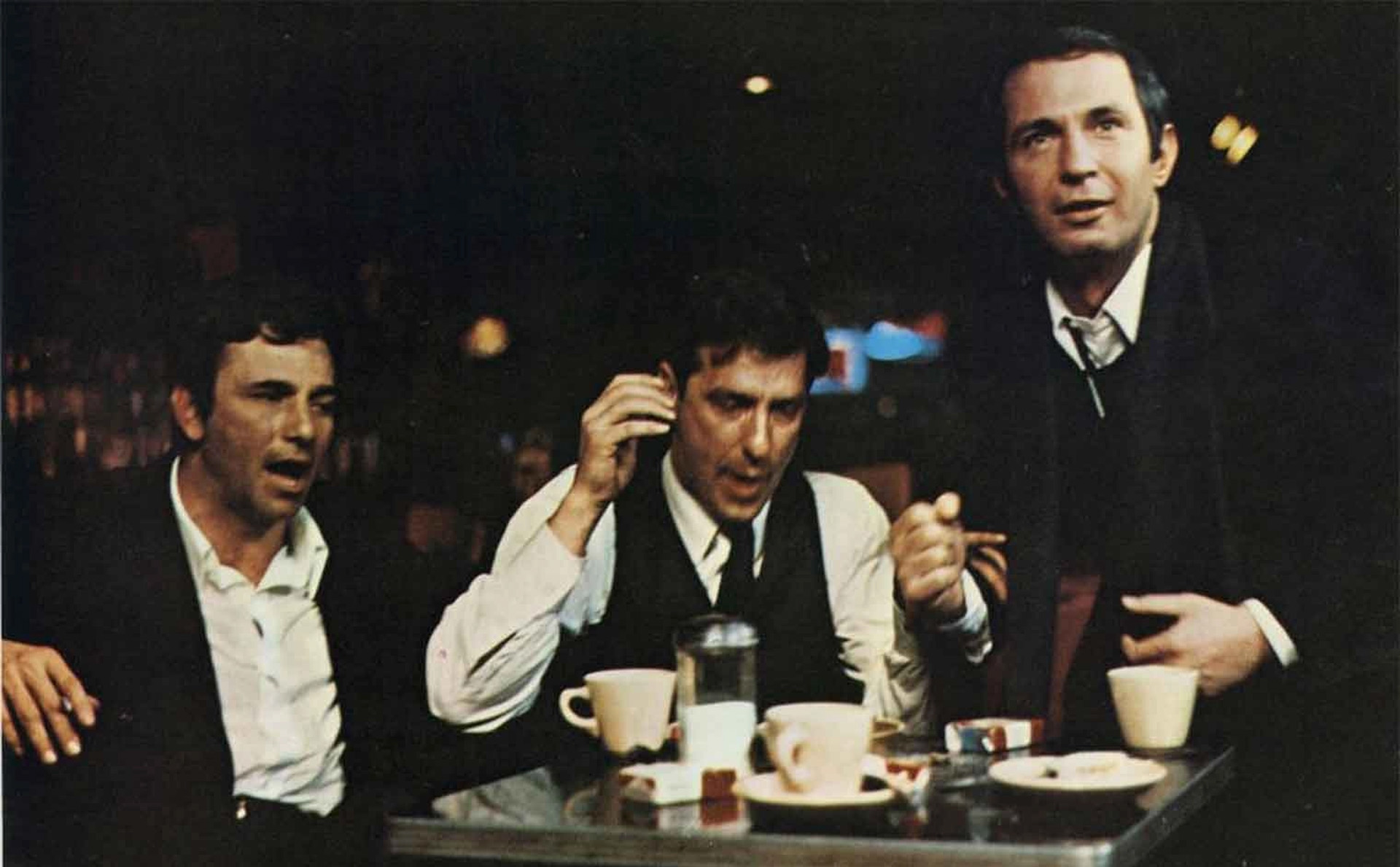 Still from HUSBANDS (1970) ©filmforum.org
It comes from John Cassavetes' 1970 film of the same name, which explains more than it first appears to.
Gabard's "husbands" aren't celebrities or fashion elite. They're just men who take clothes seriously without mistaking clothes for a personality. What got him about the film was the creases, the flaws, the lives visibly lived on its leads, masculinity with the wrinkles left in rather than airbrushed out. The point is living, loving, making a mess, making a story. Clothes are the tool, and he genuinely believes a good one can change your day.
The Lawyer Who Liked Suits So Much He Quit
The backstory is better than the title.
Gabard didn't come from fashion. He spent years as an intellectual property lawyer, then ran an ad agency. What redirected his entire life was seeing a partner at the firm in a Dior Homme suit.
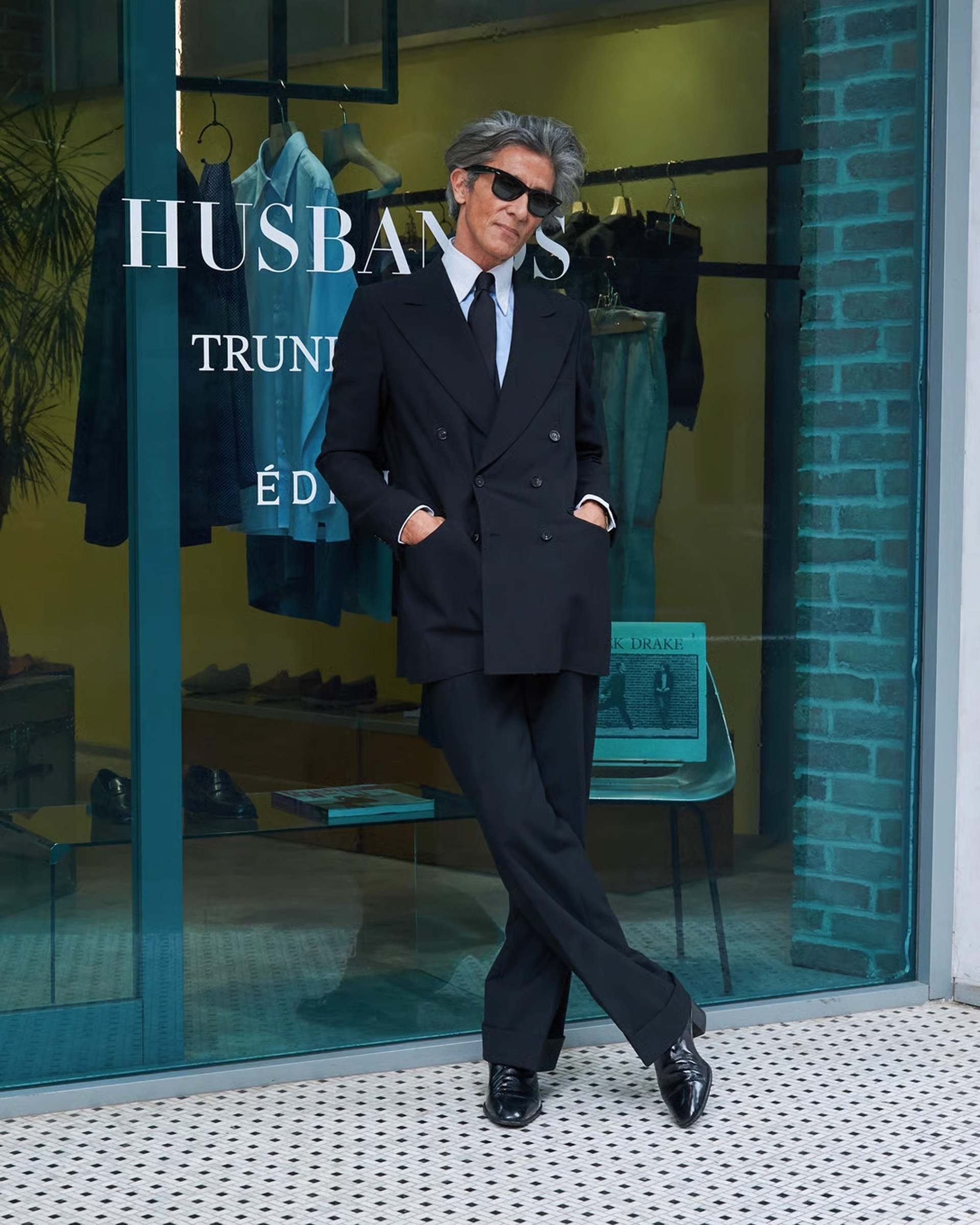
His reaction, by his own account: I want to work here because I get to wear that. He'd cared about clothes since childhood, wore Jil Sander and Helmut Lang and Maison Martin Margiela through the law years, and once the agency money started coming in he funneled it into bespoke. Eventually he stopped hunting for the clothes he wanted and built them. HUSBANDS PARIS, 2012.
 ©fashionsnap.com
He wasn't trying to reinvent menswear. He wanted a very specific world made out of old things seen through his own eye: double-breasted suits in serious cloth, silk shirts, denim.
And he doesn't think of a suit as a nice piece of clothing. To him it's culture. Gabard has said he read Barthes and Foucault to explain his interest in clothes as cultural rather than as taste or luxury, which is a sentence most designers could not say with a straight face. Fashion sits with food, sport, and literature as a thing a life is made of, and a HUSBANDS suit is less about tidying up the body than about how you intend to live.
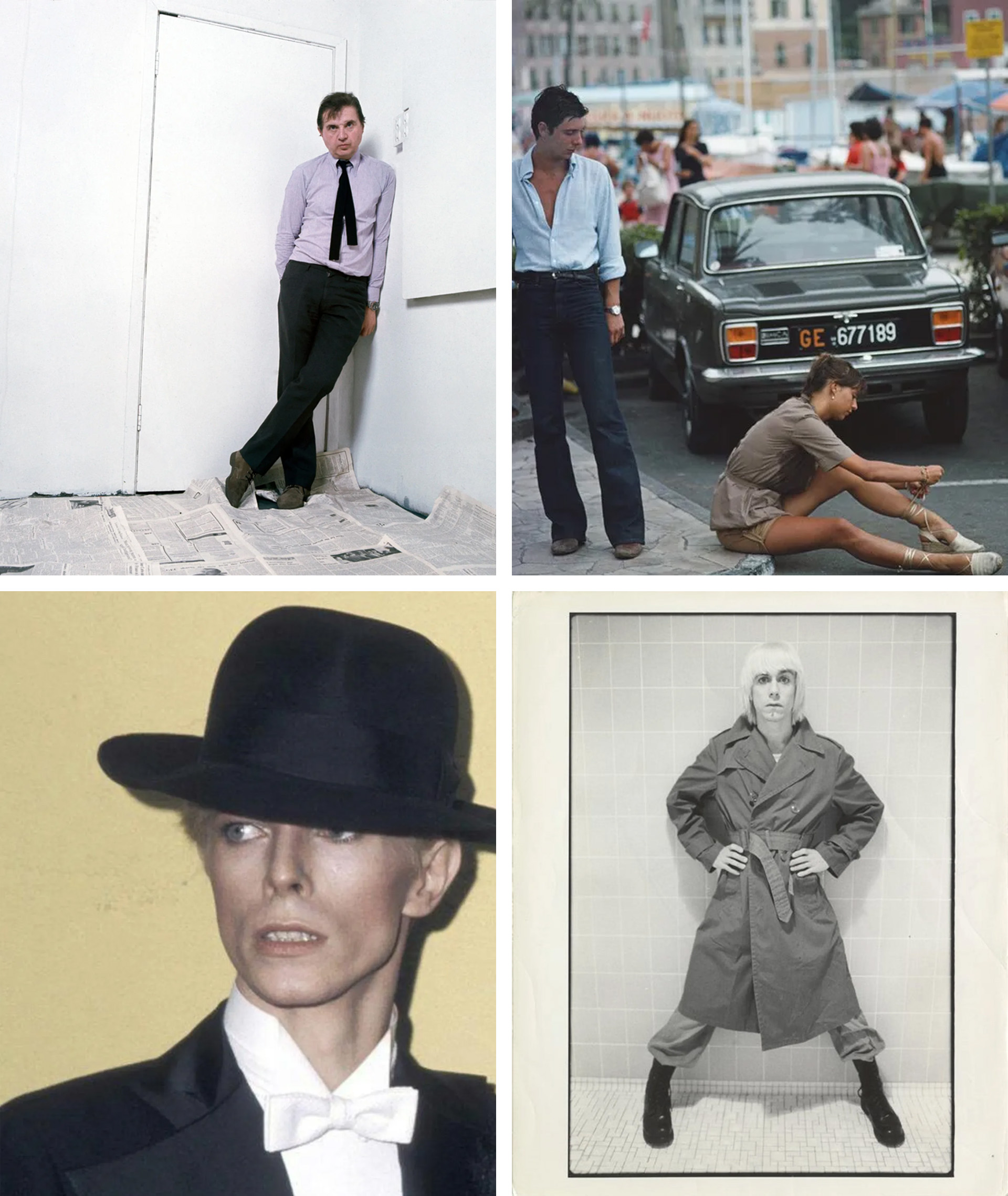 A mood board on HUSBANDS PARIS's Instagram ©@HUSBANDSparis
The references go up on Instagram, no secrecy about it.
Foucault, Lou Reed, David Bowie, Bob Dylan, Michael Caine, Serge Gainsbourg, Francis Bacon. The Italian Job (1969), Blowup (1966), The Conformist (1970). You can see all of it in the clothes.
The best example is one of the house classics, the Gainsbourg Shirt.
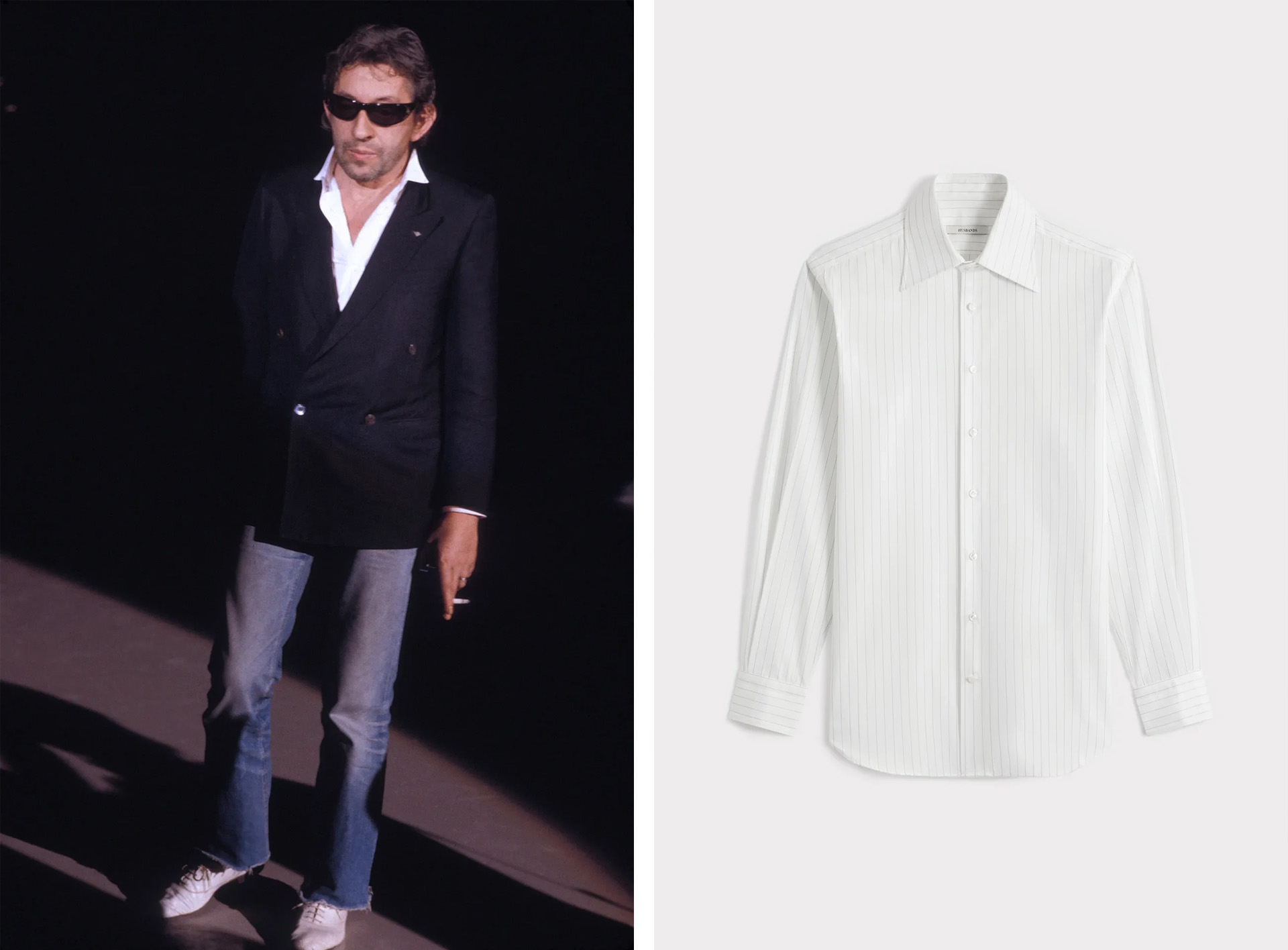 Serge Gainsbourg ©gq-magazine.co.uk, ©HUSBANDS-paris.com
Gabard got fixated on a striped shirt Gainsbourg wore, then spent years hunting a fabric that could hit the exact stripe spacing and proportion he had in his head. Years. Not a costume reproduction of one man's look, but a single photograph pushed until it became his own shirt.
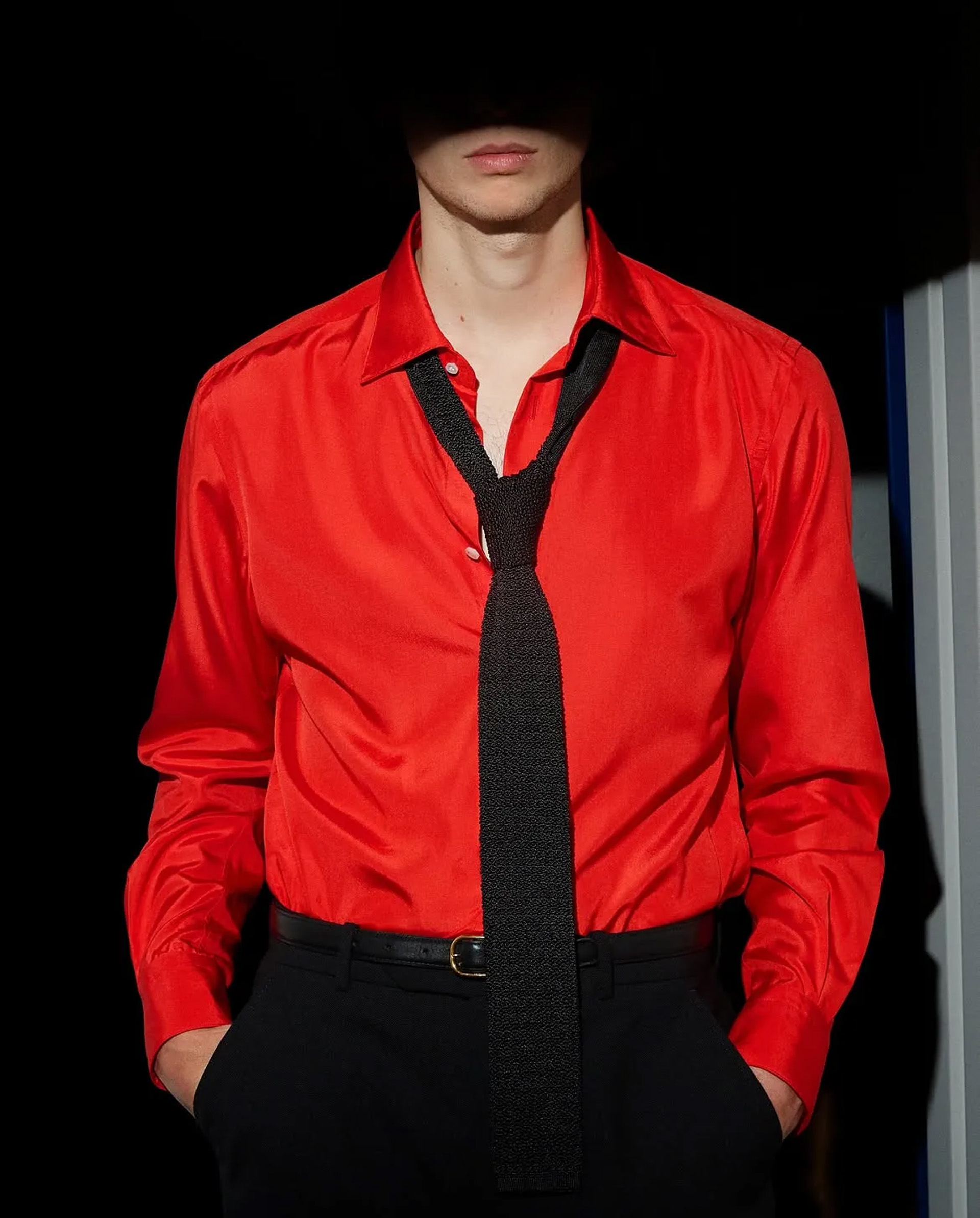
One word keeps coming up looking at HUSBANDS: desire.
 ©@HUSBANDSparis
Strong shoulders, wide peak lapels, a jacket that finds the waist, trousers falling long. It reads seventies rock star and film lead, and somehow never reads costume. Rather than restoring old menswear, HUSBANDS makes you want it in the present tense. Which means the question has to change.
Not "what does dressing like a man mean?"
The simpler one: "how do I want to look?"
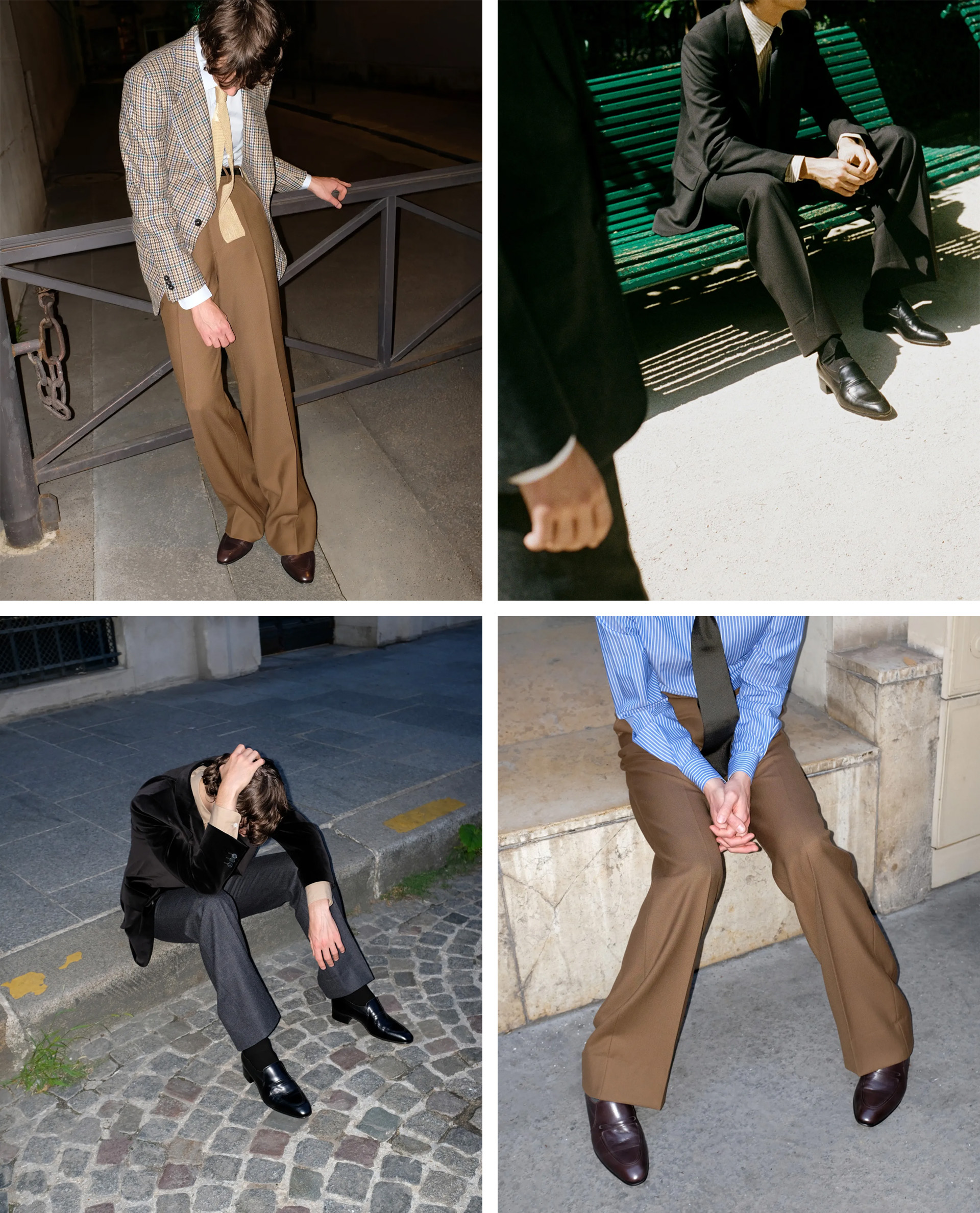 ©@husbandsparis
HUSBANDS understands that dressing well was never about which product from which brand. It's figuring out what you like and what pulls you in, which is why the culture thread never gets dropped.
Why HUSBANDS PARIS Is So Good at This
The suits aren't special because they're well made. Plenty of suits are well made. They're special because they put desire back into something people had written off.
When the brand launched, classic menswear was considered functional and dull. Gabard remembers the mood as "the functional suit is dead, classic menswear is dead." So the actual job wasn't tailoring. It was manufacturing a reason to want it again.
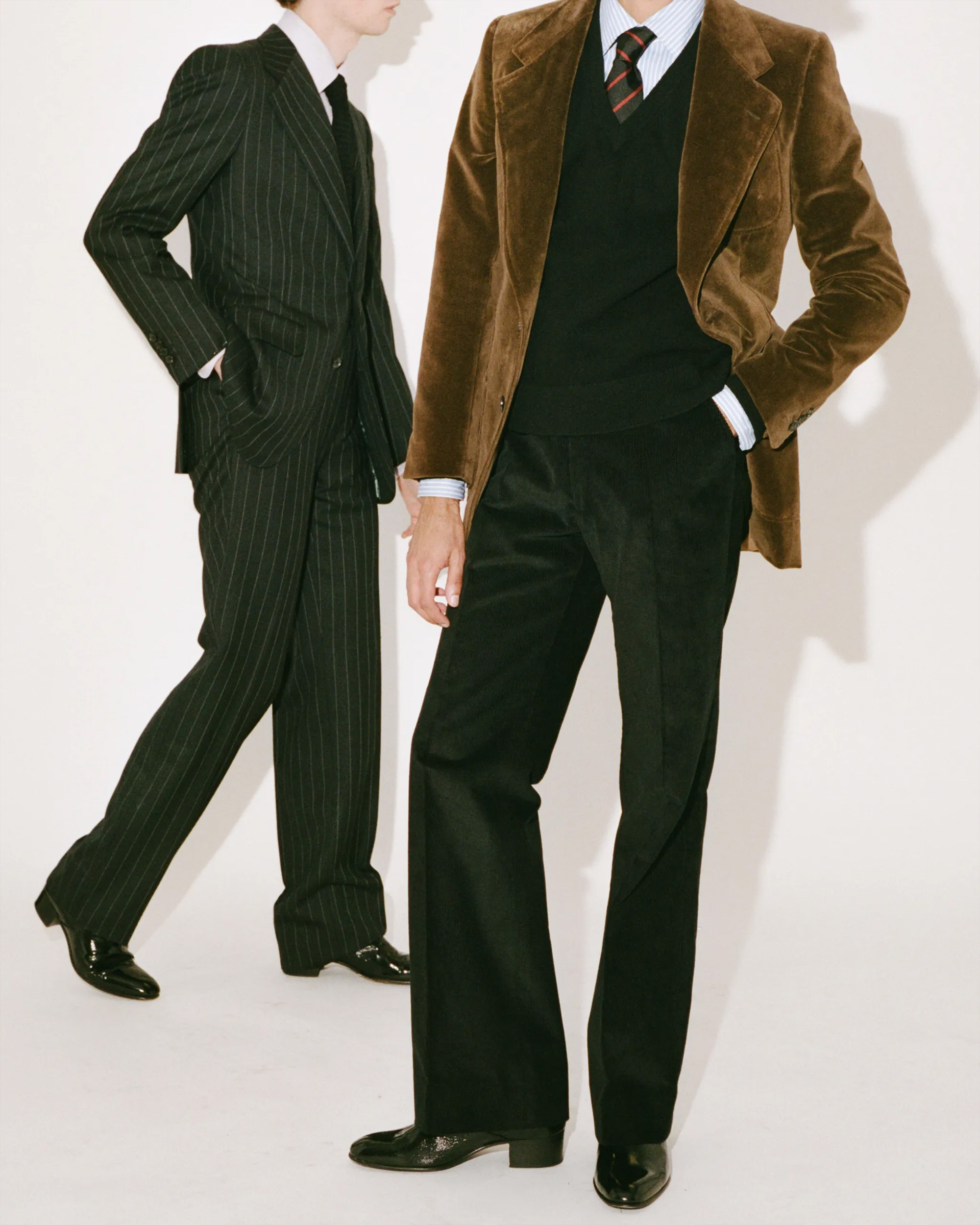 ©@husbandsparis
The silhouette goes like this.
Sharp shoulder, wide lapel, long jacket. High waist, flared trouser. First impression is seventies sensuality, firmly Bowie-adjacent, but it's cut with real polish. Gabard isn't only mining the archive. Keeping the sensibility of houses still working now, Comme des Garçons, Jil Sander, Martin Margiela, alive on top of traditional tailoring is where the whole thing gets interesting.
So it isn't reproduction. It's traditional structure reinterpreted as a contemporary image, which is why he calls what he does "fashion tailoring."
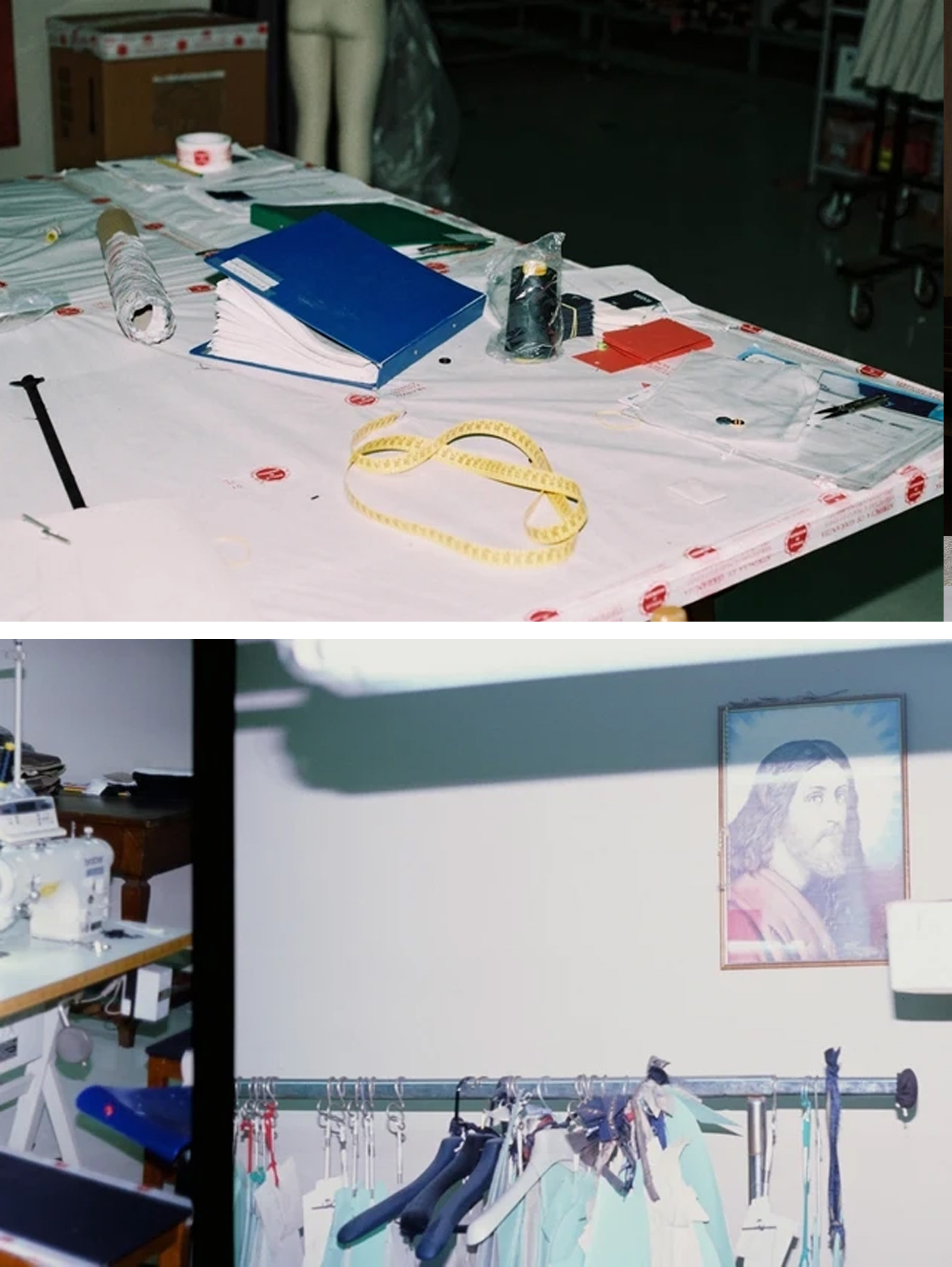 ©husbands-paris.com
Jackets and coats are made at an atelier outside Naples, built on full canvas, where a natural-fibre layer runs the entire front panel from shoulder to hem so the jacket learns your body the longer you wear it. The lapel buttonholes are Milanese, which means a skilled tailor spends 30 to 40 minutes on a single buttonhole. One.
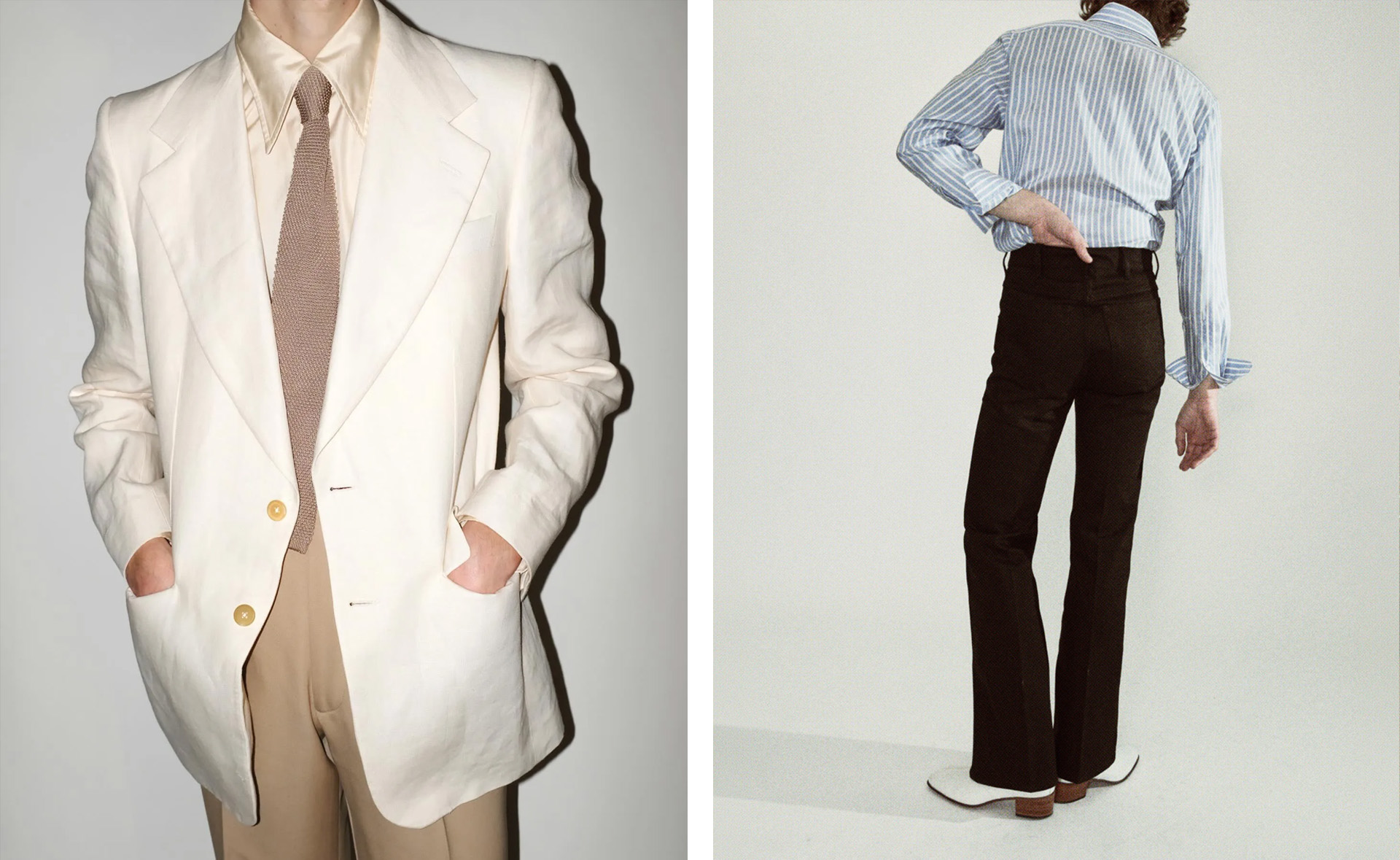
That kind of construction doesn't force your body into a shape. It draws a cleaner line from shoulder to waist to leg. All the sexiness in these clothes comes out of that, which is why no decoration is required, and why a HUSBANDS jacket reads completely differently as a full suit than it does thrown over a t-shirt.
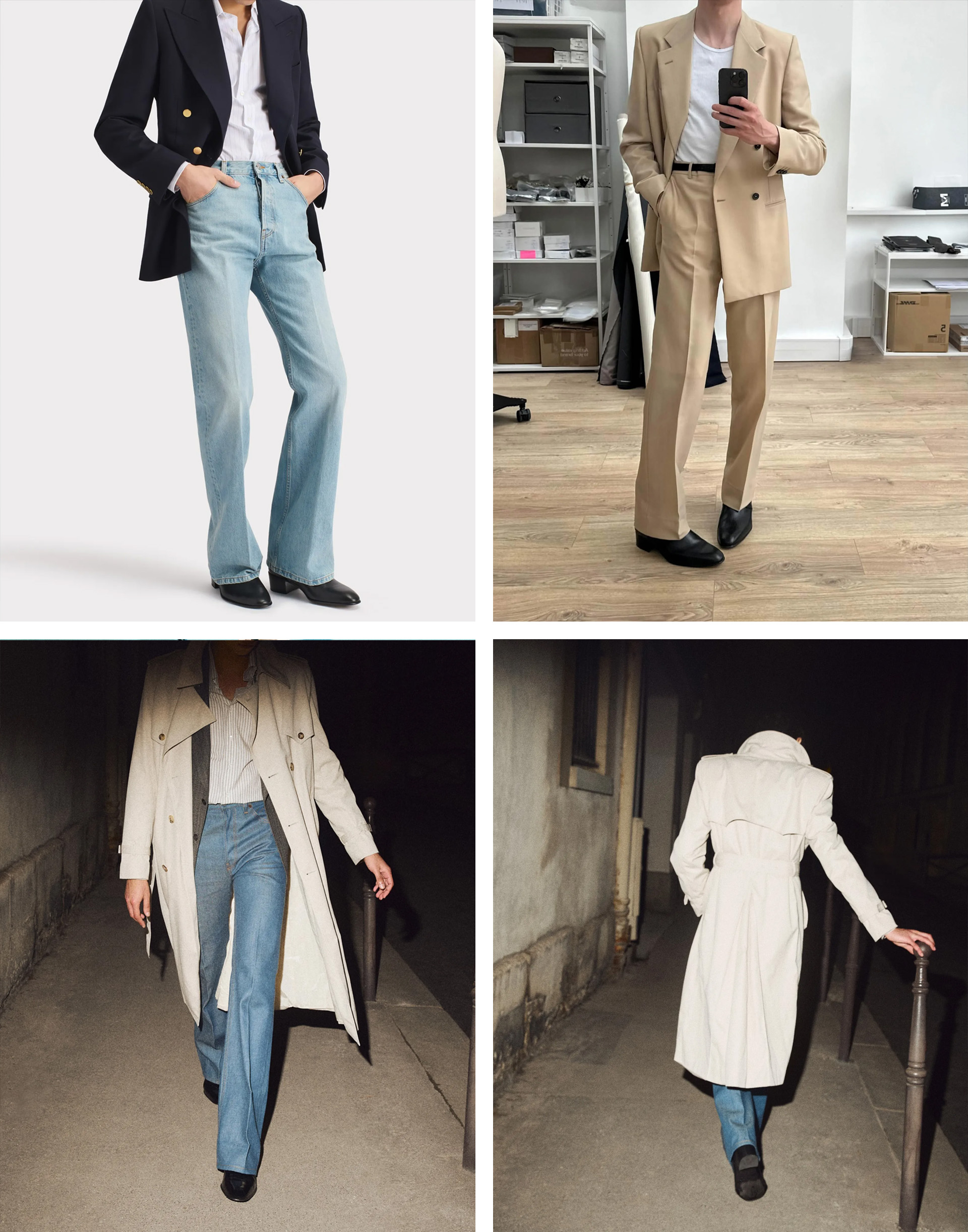 The jodhpur boot, which builds the silhouette together with flared trousers, The trench coat, one of HUSBANDS PARIS's defining classics.
Gabard wants clothes that still look good in ten years, which raises the harder question: what can you actually keep loving that long?
His answer is that menswear has never dealt with men's desire the way womenswear deals with women's. Defaulting to safe basics, t-shirts and denim and chinos, is one option. Finding out what you actually want is the other.
 ©english.elpais.com
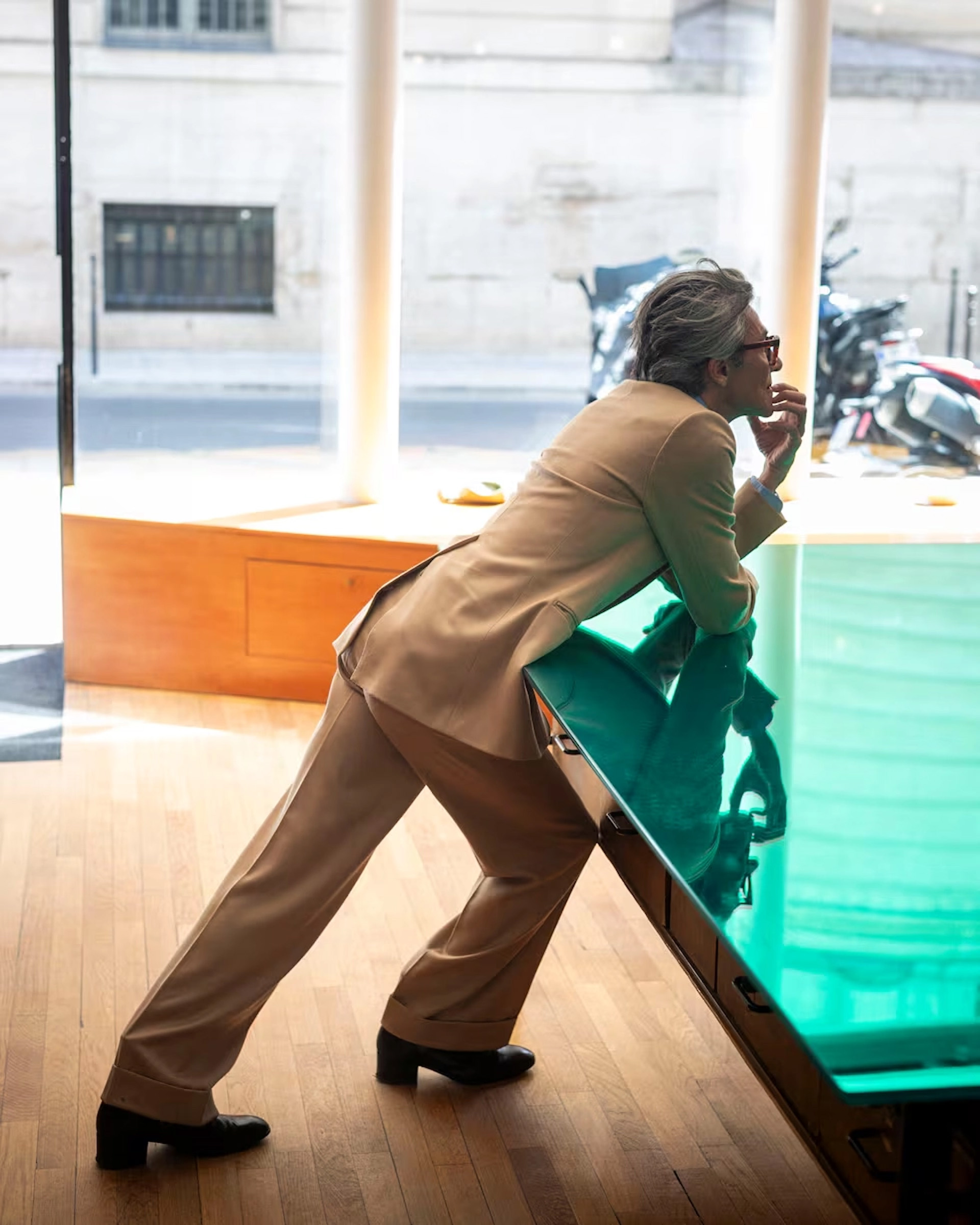
For a long time the suit was the uniform you needed to enter the world. HUSBANDS proposes wearing it because you want to. Lose the tie. Put a t-shirt under it. The point of a classic isn't obeying its rules, it's having the standards to decide for yourself what to pick.
So what HUSBANDS is really selling isn't dressing like a man, or dressing because you're supposed to. It's wearing what you like, knowing why you like it, and deciding for yourself who you are in it. Maybe the menswear we need now isn't clothing that makes a man more of a man, but clothing that makes a person more themselves. That'll do.
Editor: Kim Nayoung